

The Validation EXIT
The Validation Exit is how I think about the work we do together: moving from performing for approval towards trusting your own judgement. CALM, SEE and TRUST aren't three stages you graduate from. We move between all three in the same session.
You might notice that your body tenses when you think about disappointing your manager. See the assumption underneath it. Then experiment with saying no anyway and find out what actually happens.
Or we might spend most of a session understanding a pattern you've been repeating for years.
You don't need to be a good client here. We agree on how you want to be challenged, what tends to make you retreat or perform and how you can tell me when something I say doesn't fit.
I am not the expert on you. I am paying very close attention alongside you.
CALM
You can't see much when you're completely caught inside a reaction. CALM doesn't mean becoming relaxed before we can do any useful work. It means being in the space between “what I’m feeling and what I automatically do next.”
That might mean noticing the urge to fix something immediately. Staying with the guilt that appears when you say no. Feeling the anxiety of leaving something unfinished without opening the laptop again.
We also pay attention to your body. Where does tension show up? What changes when you talk about one decision rather than another? What happens just before you automatically say yes?
The aim to be able to notice the uncomfortable feeling without immediately obeying it, not to make it disappear in a superficial way.
What we work on: recognizing reactive versus responsive states, noticing physical signals, body scanning when useful and learning to stay with discomfort instead of immediately fixing, explaining or optimizing it.
SEE
Understanding your patterns matters. But being able to explain why you do something doesn't necessarily stop you doing it. So we pay attention to the pattern while it is happening.
Someone questions your work and you immediately start defending it. You have free time and fill it with tasks. Someone asks for something and “yes” leaves your mouth before you've checked whether you actually want to do it.
Sometimes the first sign is a thought. Sometimes it's physical: your jaw tightens, you stop breathing properly, your stomach drops, you suddenly start talking very fast, explaining it well.
If I notice something, I may bring your attention to it. I won't tell you what it means, we get curious about it.
What we work on: noticing the link between trigger and response, the assumptions underneath it, what happens in your body and the difference between what you actually want and what you think you should want. This last bit is important!
TRUST
The body gets a vote, it doesn't get the final verdict. Cognition opens the body, I help with that.
A tight chest doesn't automatically mean no. Relief doesn't necessarily mean yes. Sometimes relief is avoidance. Sometimes discomfort appears because you're doing something unfamiliar.
We bring together what you're thinking, what you're feeling, what you're noticing physically and what the facts tell you. Then we test.
Say no and see what happens. Make the decision without getting everyone to agree first. Stop working while something is unfinished and notice what comes to you.
Trust isn't certainty, it's becoming able to hear your own judgement without automatically overriding it because somebody might be disappointed, because you're afraid or because the old way feels safer.
What we work on: integrating head, heart and gut, separating signals from stories, making decisions with incomplete information and building self-trust through real experience.
A session looks like this
Opening
We start with what's happening right now.
What needs attention at work, in your head, in how you've been feeling. Sometimes you'll know exactly what you want to bring. Other times you'll arrive with a vague sense that something is off and no words for it yet. Sometimes you will come with homework to do, like a good student.
Either way, that's where we begin.
While we talk
We talk, but I also pay attention to what happens while you're talking.
If you speed up, go quiet, laugh while telling me something painful, take a big breath after saying no or something seems to shift when you mention one option, I may stop you.
I won't interpret your body for you. Sometimes you'll notice something immediately. Sometimes you'll feel absolutely nothing. Both are useful information.
Sometimes we'll use a body scan or visualization. Sometimes I'll ask you to stop explaining for a moment and simply notice what is happening.
Then we can think about it. I’ll notice things, ask questions, make observations and sometimes offer a hypothesis about what might be happening and I might be wrong.
If something I say doesn’t fit, tell me. If my question takes us in a direction that feels completely irrelevant, say so. If I think I’ve spotted a pattern and you think I’m talking nonsense, say it. I’m here to think with you, not instead of you.
Close
A session will usually leave you with something to take into your week.
It might be an action or something to notice: what happens in the ten seconds before you say yes, what guilt asks you to do, what changes when you don't immediately explain yourself. Then we find out what actually happens.

Working Together
For me, the work was done when I realized I don't need to do the hard work at my job to show my boss and the whole company how amazing I am. The work ended when I decided to choose a calm life over stress and panic. I don't have to prove anything to anyone. But understanding that wasn't enough.
I had to experience leaving things unfinished, asking for help, disappointing someone. Making a decision without knowing whether everyone would approve of it. That's what the Validation Exit leads to = achievement stops being the evidence that you're okay.
You can still care enormously about what you do. You just don't need every result, every manager's reaction or every next achievement to tell you who you are.
What changes:
You can hear the “keep going” voice without automatically obeying it.
You notice what happens in your body before stress turns into another automatic response.
You can see what you're assuming before the assumption makes the decision for you.
You can say no and tolerate the discomfort that comes afterwards.
You make decisions using what you think, feel, notice and know.
Achievement becomes something you do, rather than evidence that you're okay.
For most people, we work together for roughly 8 sessions. We keep checking whether the work is producing something you notice in your life, not only something you can explain to me in a coaching session.

Andreea, Clinical Psychologist
“Ioana created a safe space where I felt truly seen. She helped me gain clarity around my anxiety and, through constellation work, I intuitively connected the dots with my family dynamics. That insight stayed with me."

Abolee, Leader in IT
"Ioana was a very good listener and stayed deeply engaged throughout. She remembered what I'd said in earlier sessions and could easily connect it to where I was now. She created a safe space where I felt heard, and at that time I was going through some grief. She didn't rush me, just gave me space to think and be. Her reflections helped me see what was truly important and how to move toward balance and fulflilment in work and life."

Dilshat, Operations Pricing Officer
"I reached out to Ioana out of curiosity, but our sessions ended up helping me both personally and professionally. She has a rare intuition, often understanding what I meant before I did. Her empathy and presence helped me organize my thoughts, quiet self-doubt and approach job interviews with clarity and confidence. Most of all, I felt truly cared for. And to me, that's exactly what a coach should offer."
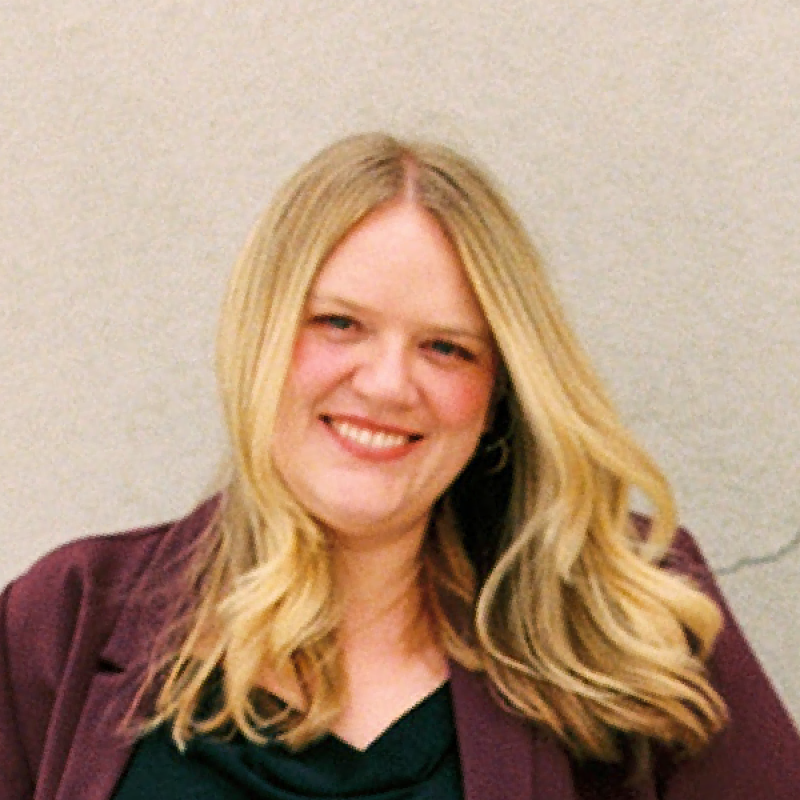
Amber, Founder & Business Consultant
"I found Ioana at a pivotal time in my business. My progress had stagnated and I knew something was holding me back. Ioana was able to cut through what I couldn't see on my own. I am so grateful; she has carried me into the most exciting phase of my business yet."
€1,990
The amount includes the sessions, preparation before each one and my full attention to your process until the work is done.
———
Pricing is transparent because it matters. It filters for commitment, yours and mine. When you invest significantly in your own transformation, you show up differently. You take the work seriously.
If you invest in your transformation as much as you'd spend on weekly dinners out, you'll commit and show up exactly like that, casually, when it's convenient. This work requires presence, honesty and a willingness to sit with discomfort.
———
What's included:
Before: 60 min reviewing your process and preparing the session.
After: 30 min connecting dots you might not see yet.
The first two sessions last 90 minutes each.
Between: I'll reach out when something clicks or when I sense you might need support.
Cadence: Weekly or bi-weekly for momentum and integration.
———
Payment plans available.
How to fund this
Most people who work in the Netherlands have a yearly development budget from their employer. It goes by different names (POB, development budget, wellbeing budget)and it's usually somewhere between €500 and €2,000 a year. Lots of people think they can only use this budget for trainings and courses, but it can also go toward coaching or other forms of care that you are in need of, such as therapy, meditation practice, etc.
You can make use of this budget at anytime. You can ask HR about your POB. If you're already on burnout leave, your Arbo doctor can advise your employer on funding a coaching trajectory. I will support you with the paperwork.

Ready to find out if this is for you?
If you read this page and feel seen, that's enough information to book the call.
The discovery call is 45 minutes. We'll talk about what's happening for you right now, what you're hoping will change and whether this approach feels right. You'll get a sense of how I work. If it's a fit, we'll figure out next steps together.